Meet David: Reclaiming the Joy of Cooking
Welcome! My name is David York, founder of Adaptive Kitchen. After surviving a ruptured brain aneurysm and hemorrhagic stroke, I had to relearn many of the everyday things I once took for granted. That journey taught me that life can change in an instant, but with faith, adaptive tools, determination, and a willingness to do things differently, there can still be purpose, independence, and plenty of joy in the kitchen.
Adaptive Kitchen’s features and workflows are shaped by real-world use in my own kitchen, with a focus on practical solutions for people navigating physical limitations as well as anyone looking for easier preparation.
The Day Everything Changed
On December 9th, 2022, my life was altered forever. Without any warning, a hidden brain aneurysm ruptured, sending me falling to the bathroom floor. By the sheer grace of God, I was rushed immediately to Houston Methodist of the Woodlands. During emergency surgery to repair the rupture, surgeons discovered a second undetected aneurysm. They coiled both, but the following day, I suffered a massive brain bleed.
The bleed triggered a severe hemorrhagic stroke, cutting off crucial blood flow and oxygen to my brain. I slipped into a deep coma that lasted for four agonizing months.
Waking Up to a New Reality
When I finally awoke from the coma, I had no concept of what had happened to me. All I knew was that my body felt completely foreign. I couldn’t speak clearly, I couldn’t move my limbs, and the independent person I had been just months prior was gone.
Because of the rupture, my brain’s natural cerebral spinal fluid (CSF) drainage was disabled, requiring the surgical placement of a VP brain shunt to regulate fluid pressure. (Even recently, I underwent another major brain surgery to replace the system, and ongoing management remains part of my daily journey.)
I was transferred to Nexus Neuro Recovery Center in Conroe, Texas, to begin the long, exhausting work of neuro-rehabilitation. I had to learn everything from scratch—how to sit up, how to swallow, how to feed myself, and how to take my first steps again. Statistically, a ruptured aneurysm carries a 50/50 survival rate before even reaching a hospital. By every medical standard, I am a walking, breathing miracle.
From Stroke to Hope: Finding Purpose in the Journey
During therapy walks at Nexus, I began encouraging fellow patients when I saw them achieve even a tiny milestone. Seeing their smiles opened my eyes: encouragement was a lifeline. When I returned home, I founded fromstroketohope.com to serve over 1 million stroke and TBI survivors across social media—reminding everyone that recovery is a lifelong journey, and God is not finished with us yet.
Reclaiming the Kitchen with One Hand
Before my stroke, cooking was one of my greatest joys. But coming home, I faced a heartbreaking reality: my left hand had very limited function. While I slowly regained slight movement—enough to turn a doorknob or flip a light switch—I could not lift heavy pots, chop ingredients safely, or rely on two-handed prep. For a long time, I thought my cooking days were over.
Refusing to stay stuck in the “what-ifs,” I began researching adaptive cooking ideas, fatigue-management strategies, safer workstation setups, and ergonomic shortcuts. I started adapting my favorite traditional recipes—swapping heavy knife work for pre-cut ingredients, replacing stovetop browning with slow cookers and air fryers, and designing zip-bag seasoning methods.
Suddenly, I was cooking again. The joy was back! Explore our one-handed prep techniques for complete workstation stabilization tips.
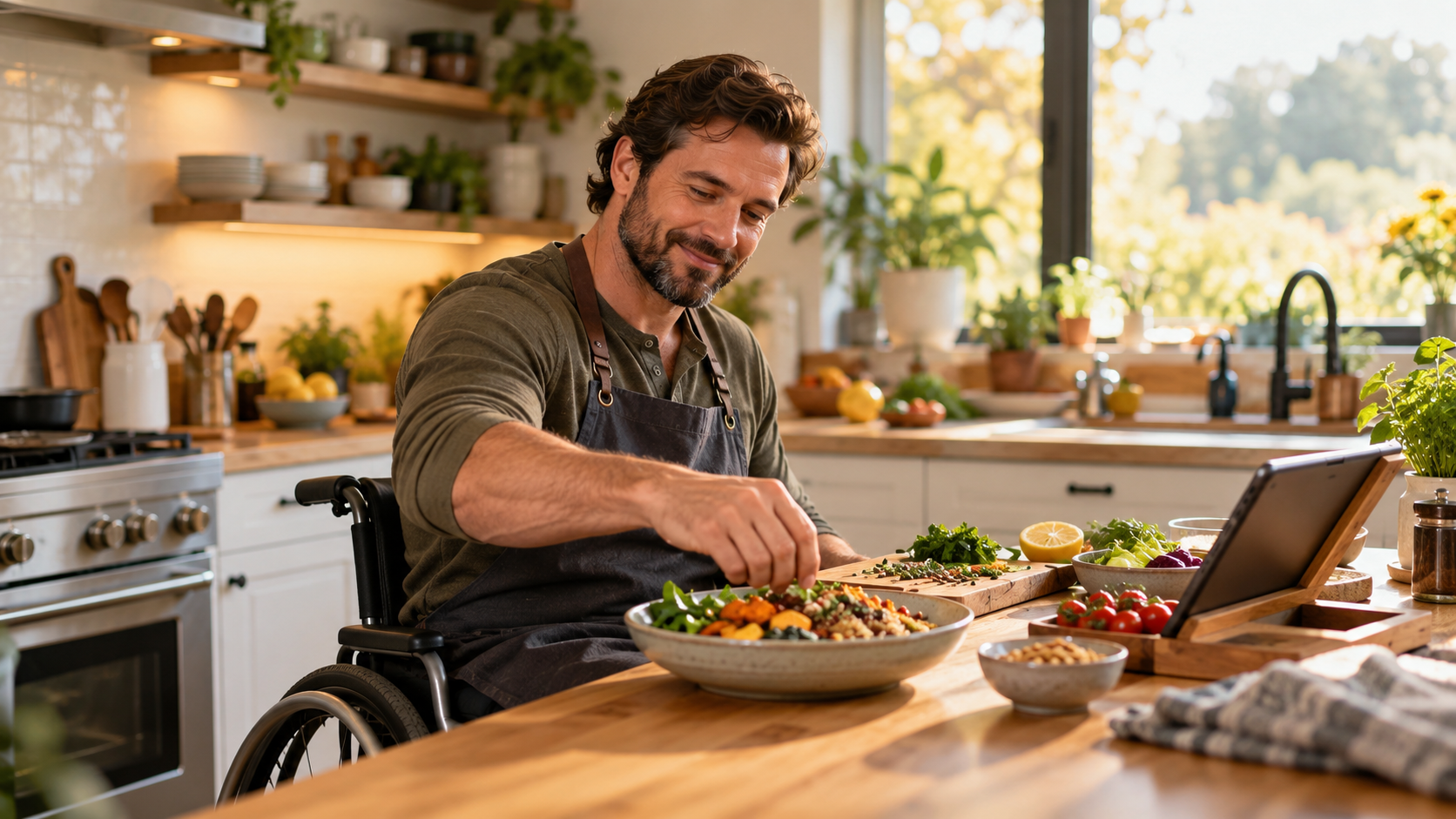
Independence can look different—and still feel like independence.
The goal is not to force everyone back into the exact cooking methods they used before an injury, illness, or change in ability. The goal is to find a way forward that is safer, more manageable, and still gives the cook meaningful choice and ownership.
That idea—adapt the method without giving up the meal—became one of the foundations of Adaptive Kitchen.
Why Adaptive Kitchen Was Built For You
I created Adaptive Kitchen to help survivors, people with disabilities, busy home cooks, caregivers, older adults, and anyone managing fatigue keep the comfort and creativity of a homemade meal within reach.
Instead of limiting people to a small collection of specially created recipes, Adaptive Kitchen is designed to help you bring in recipes you already love and, when you choose, adapt them with easier preparation options, practical shortcuts, equipment alternatives, and accessibility-minded guidance. Browse our weekly favorites collection to see these conversions in action!
Turning everyday obstacles into practical design decisions.
Adaptive Kitchen grew from countless small questions in my own recovery: How can I make this recipe with less chopping? How do I avoid lifting a heavy pot? How can I cook when my energy is low? How do I keep the joy while reducing the work?
Those questions now shape a broader mission: build tools that support survivors and people with disabilities while also making everyday cooking easier for anyone who needs a simpler path.
What Shaped Adaptive Kitchen
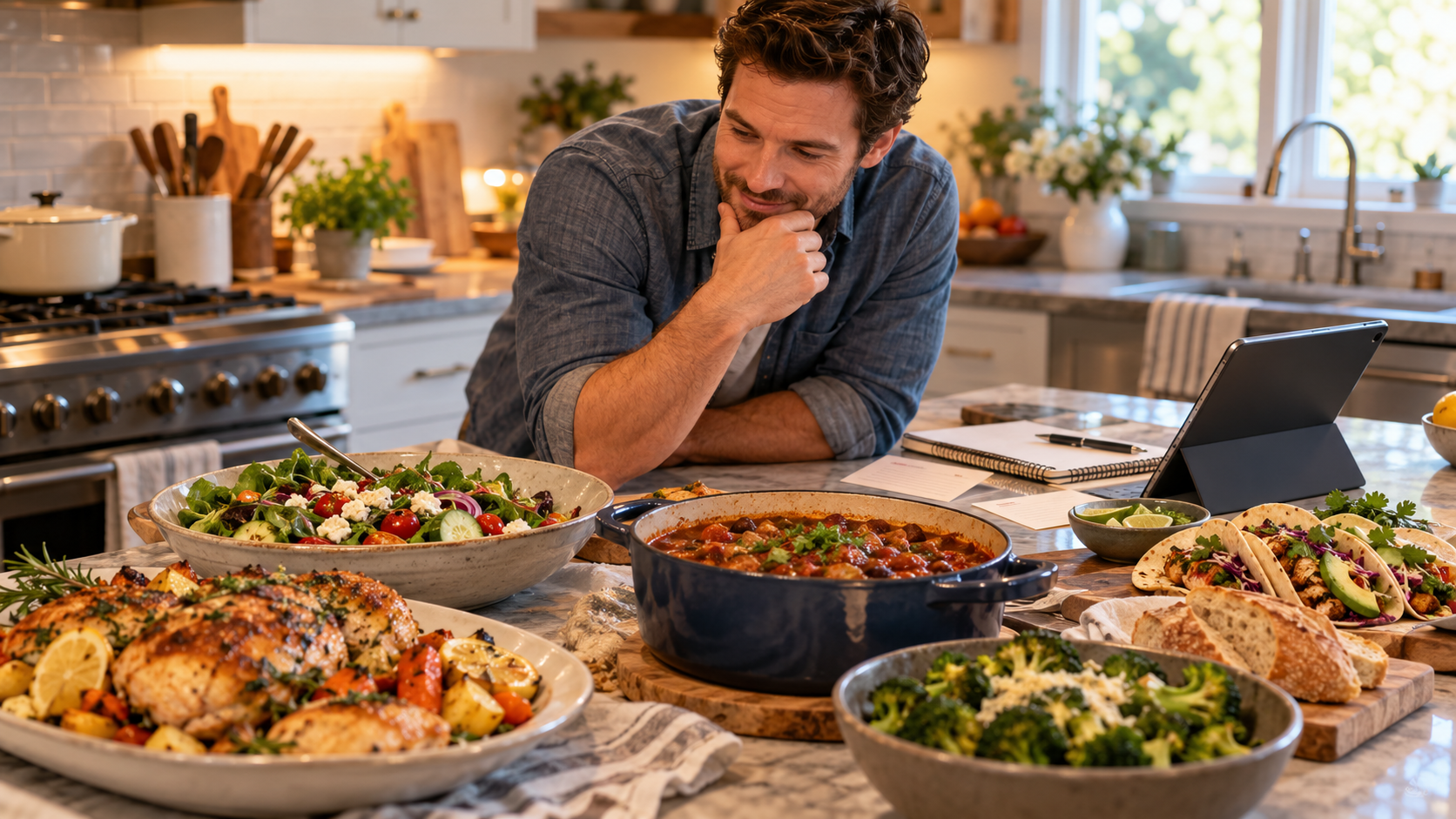
The product is built around four principles that came directly from real-life cooking after recovery.
David’s Favorite Adaptive Conversions
Here are a few favorites adapted into easier, lower-fatigue meals with practical shortcuts and reduced prep:
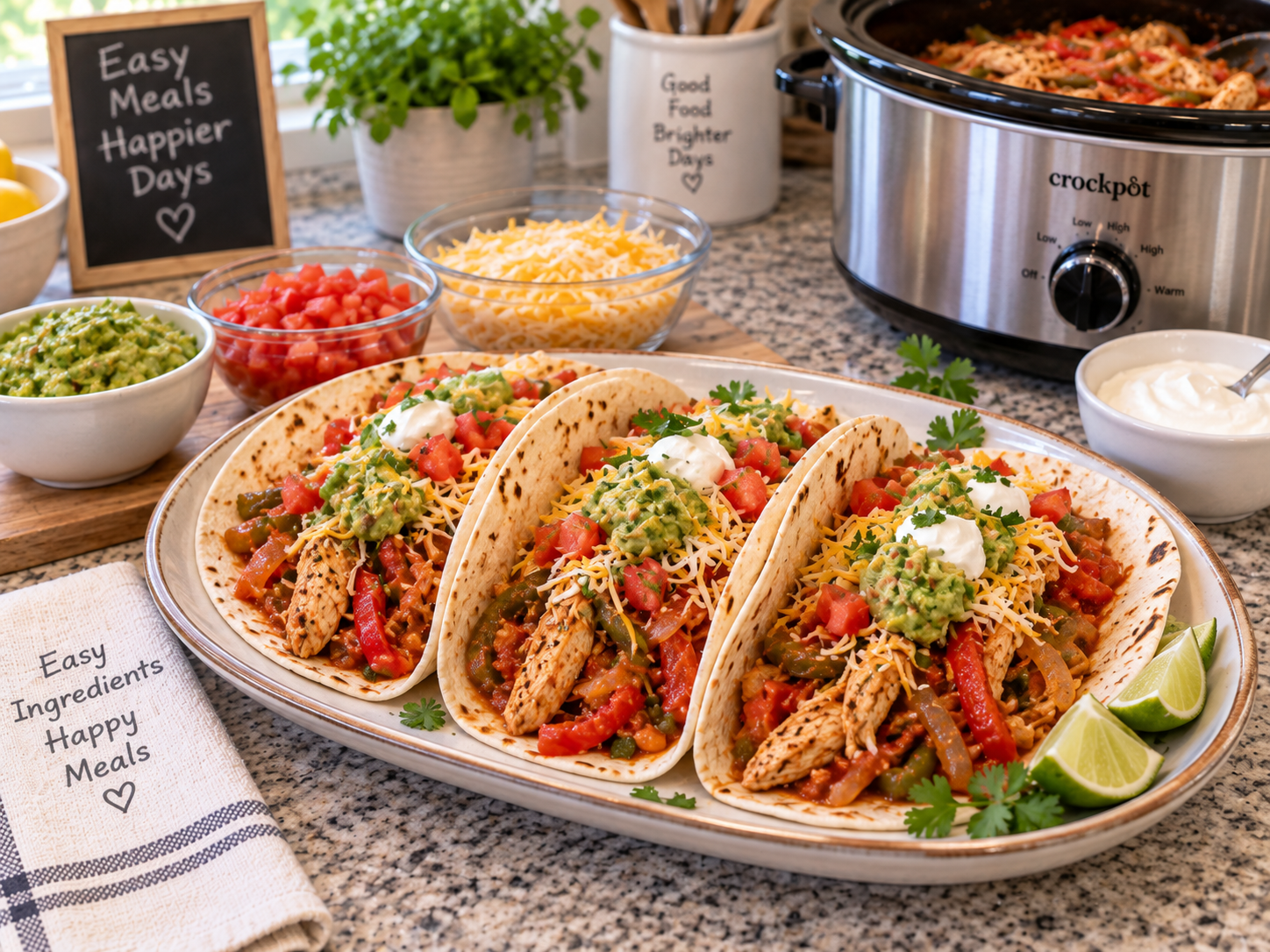
Adaptive Slow Cooker Chicken Fajitas
Transformed from stovetop searing to a dump-and-go slow cooker meal with pre-sliced peppers and no standing over heat.
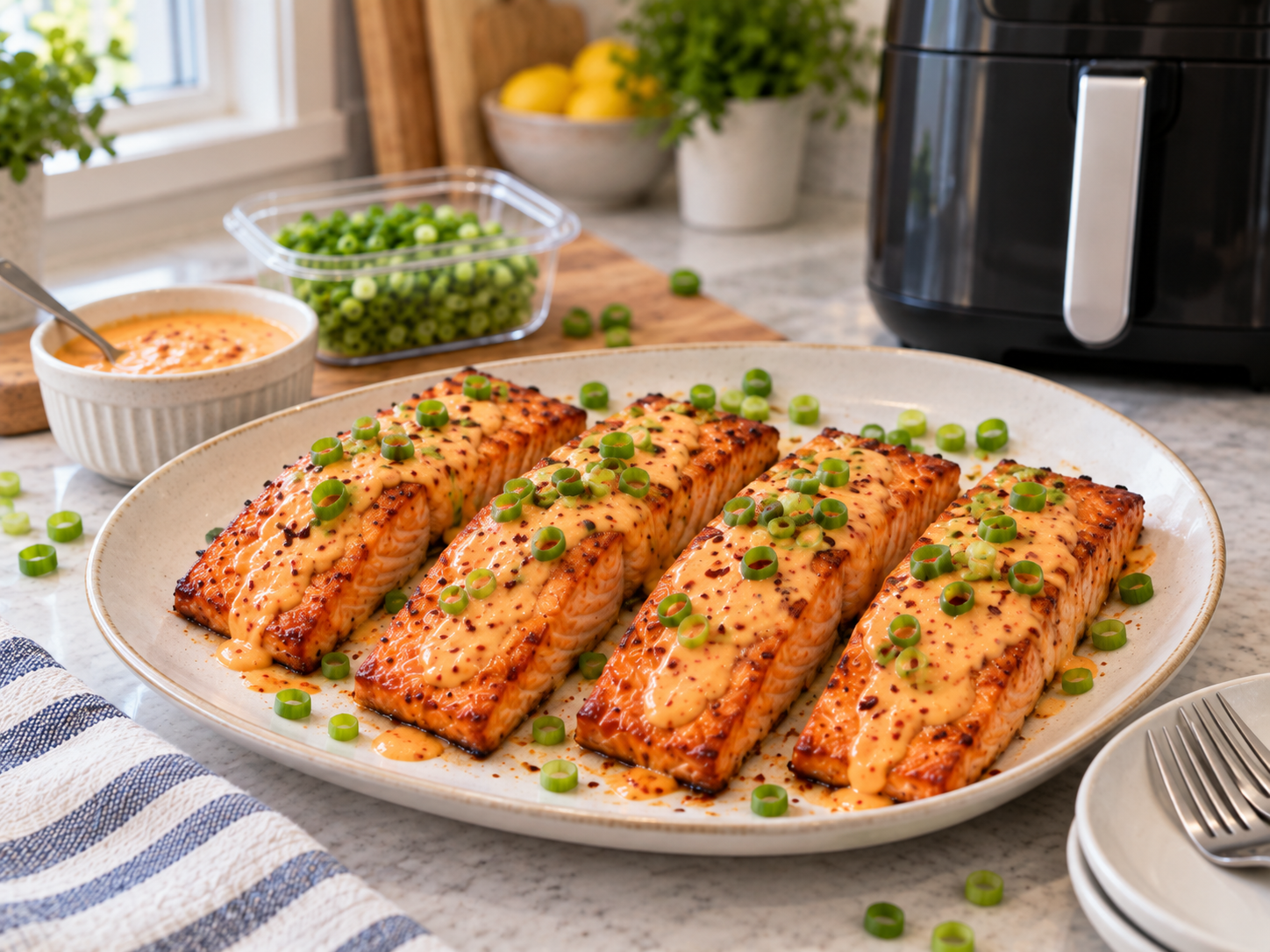
Adaptive Air-Fried Bang Bang Salmon
Re-engineered with ready-to-cook skinless salmon portions and squeeze-bottle sauces for crisp 10-minute air-fried dinner.
Meet My Kitchen Sous-Chefs & Partners in Crime
No recovery journey is complete without unconditional love. Meet Titan and Boots—my two emotional support cats who bring me immense joy daily and supervise every single recipe test!
Titan
Titan is my vibrant orange tabby whose curiosity knows no bounds. He is always nearby during meal prep, offering unconditional support and making sure no salmon treat goes unnoticed!
Boots
Boots is my handsome brown-and-white domestic shorthair. Weighing in as my big gentle giant, Boots provides endless comfort, grounding energy, and faithful companionship through every milestone.
A practical idea has become a connected kitchen.
What began with finding easier ways to cook now brings recipes, meal planning, Pantry, Shopping and trusted connections together. Save a recipe you love, reimagine it in Recipe Studio when you want changes, and ask the Chef Assistant for help along the way.
The purpose is still personal: more choice, less unnecessary work, and room for the joy of cooking—whether you are rebuilding a routine, helping someone you love, or simply trying to make dinner easier.
Adaptive Kitchen. Cooking within reach.